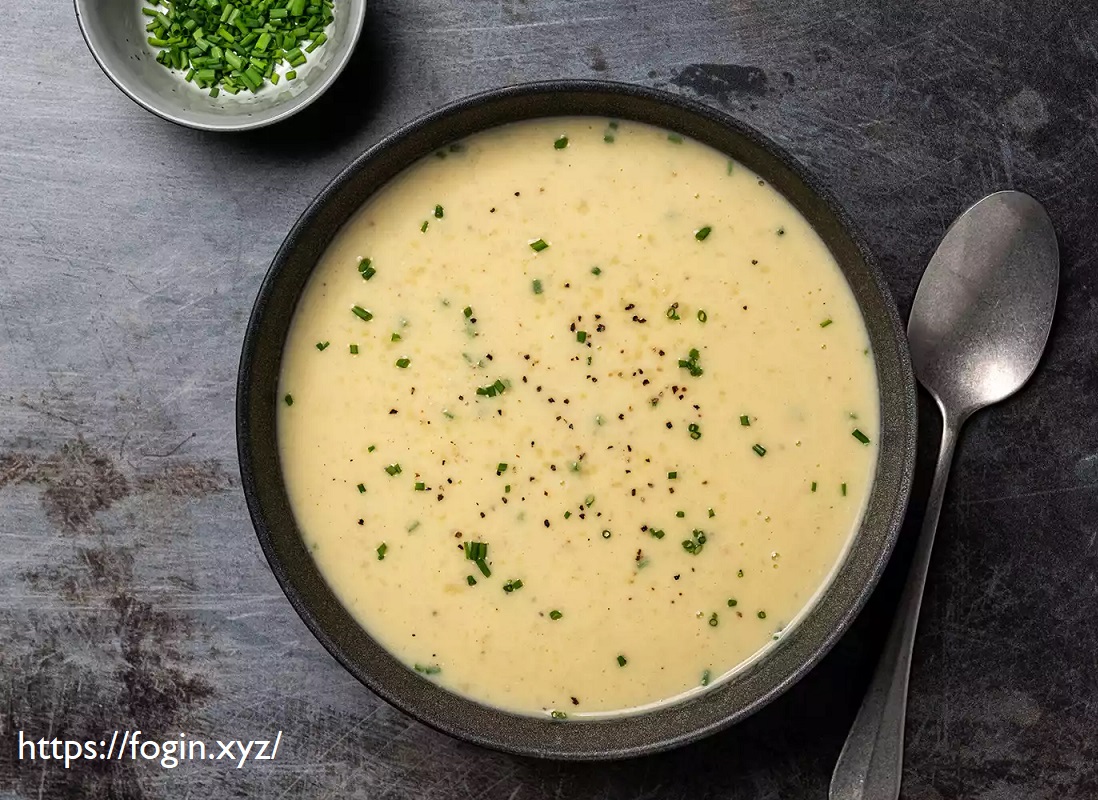
Irish Potato and Leek Soup: A Comforting Classic with History, Heart, and Hearty Flavor
Irish cuisine is often celebrated for its simplicity, warmth, and deep connection to the land. Few dishes embody these qualities more beautifully than Irish Potato and Leek Soup, a timeless combination of humble ingredients that has nourished families for centuries. Creamy, rustic, and deeply aromatic, this soup captures the essence of traditional Irish cooking—unpretentious, filling, and focused on fresh, local ingredients. Though made from just a handful of components—potatoes, leeks, butter, stock, and cream—it delivers a remarkable depth of flavor and comfort with every spoonful.
In this comprehensive guide, we will explore the history behind this beloved soup, discuss the characteristics of its key ingredients, delve into cooking techniques, and walk through a full recipe complete with variations so you can make it your own. Whether you’re seeking authentic Irish flavors for St. Patrick’s Day or just craving a warm, creamy bowl of comfort, this 2000-word breakdown will equip you with everything you need to craft the perfect Irish Potato and Leek Soup.
A Brief History of Irish Potato and Leek Soup
Although potatoes are often associated with Ireland today, they were not native to the island. They were introduced in the late 16th century and rapidly became a staple because they grew well in Ireland’s cool, damp climate. For many Irish households, potatoes became the backbone of daily nourishment, providing both calories and versatility in an era when food security was not always guaranteed.
Leeks, on the other hand, have been cultivated in Ireland for far longer. As part of the allium family, leeks grow well in Ireland’s mild climate and have long been used in soups, stews, and broths. Their mild onion-like flavor adds subtle sweetness and aroma to dishes.
The combination of potatoes and leeks in a soup likely originated in rural farm kitchens where ingredients were limited but ingenuity was abundant. Potatoes provided body; leeks added flavor; dairy—such as butter, cream, or milk—added richness, particularly in regions with plentiful dairy farms. Over time, this simple, hearty soup became a beloved household staple and remains one of Ireland’s most iconic comfort foods.
Why Potato and Leek Soup Is So Beloved
1. It’s inexpensive but satisfying.
The dish uses basic, affordable ingredients that stretch to feed a family without sacrificing flavor or richness.
2. It’s adaptable.
With or without cream, rustic or silky smooth, vegetarian or enriched with bacon—there are countless ways to personalize it.
3. It’s nutritious.
Potatoes provide complex carbohydrates, potassium, and fiber. Leeks offer vitamins A, C, and K along with antioxidants.
4. It’s the essence of comfort food.
Creamy, warm, and mild, this soup is ideal for cold evenings, sick days, or cozy gatherings.
Key Ingredients and What They Bring
Understanding the ingredients helps you master the dish.
Potatoes
Traditionally, Irish cooks use varieties like Rooster or Maris Piper—floury potatoes that break down easily and create a smooth texture. In other regions, good substitutes include:
- Russet potatoes
- Yukon Gold potatoes
- King Edward potatoes
Floury potatoes give the soup its characteristic body and creaminess.
Leeks
Leeks, milder than onions, lend a sweet, aromatic flavor that intensifies as they gently sauté in butter. Only the white and light green parts are used; the dark green tops can be tough but are excellent for making stock.
Thorough washing is essential, as leeks often harbor dirt between their layers.
Butter
Butter is central to Irish cuisine. It softens the leeks, adds richness, and contributes to the soup’s silky mouthfeel.
Stock
Traditionally, chicken stock was used, but vegetable stock makes an excellent vegetarian option. Either way, a good-quality stock enhances the overall depth of the soup.
Cream or Milk
While optional, adding cream or whole milk creates the luscious, velvety texture many associate with Irish Potato and Leek Soup.
Some traditional recipes use no cream, relying instead on mashed potatoes for thickness. Others, especially modern interpretations, incorporate cream for added indulgence.
Herbs
Common additions include:
- Thyme — earthy and aromatic
- Parsley — fresh and bright
- Bay leaves — subtle, herbal, and warming
These herbs enhance the soup without overpowering the mild vegetables.
Cooking Techniques That Make a Difference
To make exceptional Irish Potato and Leek Soup, focus on technique as much as ingredients.
1. Slow Sautéing
Start by gently cooking the leeks in butter. Do not brown them; this soup is defined by its pale, creamy color and mild flavor. Browning can introduce bitterness, so aim for a soft, translucent texture.
2. Proper Simmering
After adding the potatoes and stock, simmer gently until the potatoes completely soften. A rolling boil can break down the potatoes unevenly or cause them to become gluey.
3. Blending: Rustic vs. Smooth
Irish home cooks traditionally prepare this soup rustic-style, lightly mashing with a potato masher to retain some texture.
However, culinary traditions evolve, and many modern Irish kitchens use a blender for a silky finish.
4. Cream and Butter as Finishing Touches
Adding cream or butter off the heat prevents separation and helps maintain a rich, velvety texture.
Authentic Irish Potato and Leek Soup Recipe
Below is a full recipe written with detail, tradition, and helpful explanations—part of the total word count—so you can make an authentic, beautifully flavored Irish soup at home.
Ingredients (Serves 4–6)
- 4 tablespoons (60 g) unsalted butter
- 3 large leeks, white and light green parts only, thoroughly cleaned and sliced
- 4–5 medium floury potatoes, peeled and diced
- 1 medium onion, chopped (optional but traditional in some regions)
- 4 cups (1 liter) chicken or vegetable stock
- 1–2 bay leaves
- 1 teaspoon fresh thyme (or ½ teaspoon dried)
- Salt and black pepper, to taste
- 1 cup (240 ml) heavy cream or whole milk, optional but recommended
- Chopped fresh parsley or chives, for garnish
- Crusty bread, for serving
Step-by-Step Instructions
Step 1: Prepare the Leeks
Cut off the tough dark green tops and discard or save for stock. Slice the white and light green parts lengthwise, then into thin half-moons.
Rinse in cold water to remove dirt hidden between layers.
Step 2: Sauté the Aromatics
In a large pot, melt the butter over medium heat. Add the leeks (and chopped onion if using). Sauté for 10–12 minutes, stirring occasionally, until soft and fragrant but not browned.
Sautéing the leeks slowly allows their natural sweetness to develop and sets the foundation for the soup’s flavor.
Step 3: Add Potatoes and Stock
Add the diced potatoes and stir to coat with butter. Pour in the stock and add thyme and bay leaves.
Bring to a gentle simmer. Avoid boiling vigorously, as it can break the potatoes too aggressively.
Step 4: Simmer Until Tender
Simmer for 20–25 minutes or until the potatoes are completely soft. They should be tender enough to break apart easily with a spoon.
Step 5: Blend or Mash
Choose your texture:
- Rustic: Use a potato masher to break the potatoes into small chunks.
- Smooth: Use an immersion blender (or transfer to a countertop blender) and purée until velvety.
Step 6: Add Cream or Milk
Lower the heat and stir in cream or milk. Do not boil after adding dairy—gentle heating maintains the soup’s silky texture.
Taste and adjust seasoning with salt and pepper.
Step 7: Serve
Ladle into bowls and garnish with chopped parsley or chives. Serve with Irish soda bread, brown bread, or crusty bakery bread.
Flavor Variations and Creative Additions
Though the classic recipe is delicious, you can easily adapt it to suit different tastes.
1. Bacon or Ham
Fry diced bacon at the start of cooking. Remove, then sauté the leeks in bacon fat. Add bacon back before serving for a smoky flavor.
2. Garlic
Add two chopped garlic cloves when sautéing the leeks for extra depth.
3. Carrot or Celery
These vegetables enrich the flavor base (the Irish often used what was available). Add them with the onion.
4. Vegan Option
Replace butter with olive oil or vegan butter, use vegetable stock, and swap cream for coconut milk or a plant-based cream.
5. Cheese Finish
A small handful of Irish cheddar or Parmesan stirred in at the end creates a more decadent soup.
6. Potato Variety Mix
Use part floury potatoes for creaminess and part waxy potatoes for texture.
Serving Suggestions
Irish Potato and Leek Soup is satisfying enough for a full meal, especially with complementary dishes:
- Irish Soda Bread: Dense, slightly sweet, and perfect for dipping.
- Brown Bread: Traditional Irish wholemeal bread with nutty flavor.
- Green salad for balance.
- Smoked salmon sandwiches for a truly Irish spread.
For presentation, drizzle a swirl of cream on top or place a small butter pat in the center to melt gently.
Tips for the Best Irish Potato and Leek Soup
- Do not rush sautéing the leeks. Flavor develops slowly.
- Avoid boiling after blending. Overcooking blended potatoes can cause gumminess.
- Taste for seasoning at the end. Potatoes absorb a surprising amount of salt.
- Use good-quality stock. It makes up much of the flavor base.
Storing and Reheating
- In the refrigerator: Up to 3–4 days.
- In the freezer: Without cream, up to 3 months; with cream, the texture may change slightly.
Reheat gently on low heat, adding a splash of milk or stock to loosen if needed.
Conclusion: The Heart of Irish Comfort Food
Irish Potato and Leek Soup is more than a recipe—it’s a reflection of Irish heritage, stretching back centuries to kitchens where simple ingredients had to work hard to feed families well. Today, it remains a symbol of comfort, hospitality, and warmth.
Rich yet wholesome, creamy yet light, rustic yet refined, it offers endless room for personalization while staying true to its origins. With just potatoes, leeks, butter, and a bit of time, you can create a dish that feels like a warm hug in a bowl.
Whether you prepare it for a holiday celebration, a cozy night in, or as a soothing meal for a loved one, this timeless Irish classic never fails to deliver nourishment for both body and soul.